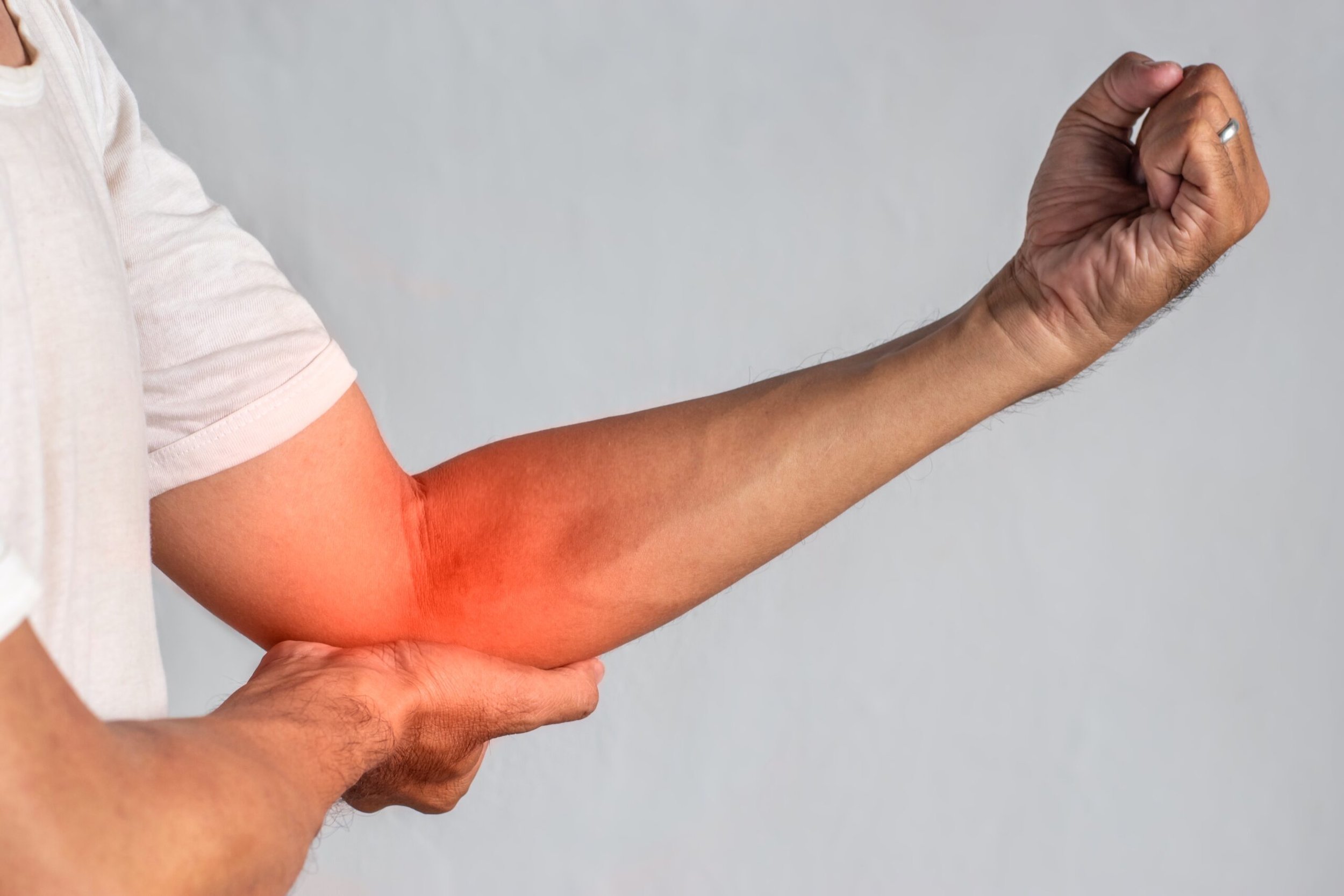
ARM, ELBOW, WRIST & HAND PAIN
-
After an amputation of the arm, hand or fingers, it’s common to have pain in the area. There are two main types:
1. Residual limb pain – pain in the part that remains, often from healing, scar tissue or irritated nerves.
2. Phantom limb pain – pain or sensations that feel like they’re coming from the missing limb.Both are very real experiences caused by:
Nerve changes (sensitive neuromas)
Brain and spinal cord “memory” of the missing limb
Skin or prosthetic irritation
Scar tissue or poor healing
Common symptoms:
Aching, burning or stabbing pain
Tingling, itching or cramping in the missing limb
Pain that may be constant or triggered by touch, movement or stress
These pains can interfere with prosthetic use, sleep and daily function, and may cause emotional frustration or stress.
Treatment options:
-
CRPS happens when the nerves in the arm or hand become overactive, causing the body’s pain system to get “stuck in overdrive.”
It often follows an injury, surgery or nerve irritation, and sometimes has no clear cause.Common symptoms:
Severe, burning or throbbing pain
Swelling, stiffness or temperature changes
Color changes (red, purple, pale, blotchy)
Tenderness to light touch
Sweating changes or dry skin
Muscle weakness or trouble moving
Pain from CRPS can be debilitating, making it hard to use the hand, sleep or work.
Early treatment helps prevent long-term stiffness and weakness.Treatment options:
Stellate ganglion block
-
“Tennis elbow” happens when tendons on the outside of the elbow become irritated from overuse.
It’s common with repetitive arm motions (sports, tools, typing, painting) and usually affects adults 30–50.Common symptoms:
Pain or burning on the outside of the elbow
Pain with gripping or twisting (opening a jar, turning a doorknob)
Tenderness to touch
Weak grip strength
It can make simple activities — like shaking hands, lifting a mug or typing — painful, interfering with work, hobbies and sports.
Treatment options:
-
“Golfer’s elbow” affects tendons on the inside of the elbow that help with gripping and wrist flexion.
It’s caused by repetitive use, such as sports, tools, typing or lifting.Common symptoms:
Pain or tenderness on the inner elbow
Pain with gripping, lifting or wrist flexion
Stiffness or aching down the forearm
Weak grip strength
This condition can limit daily activities like lifting groceries, using utensils, or doing repetitive motions, making work and sports uncomfortable.
Treatment options:
-
The distal biceps tendon connects the biceps muscle to the forearm bone.
A tear often occurs with heavy lifting or a sudden forceful movement.Common causes include sudden lift, fall or tendon wear over time.
Common symptoms:
A “pop” or tearing sensation in the front of the elbow
Immediate pain, swelling, bruising
Weakness when bending or rotating the forearm
Visible bulge in the upper arm (“Popeye” deformity)
This injury can significantly weaken arm strength, affecting lifting, carrying and daily function.
Treatment options:
-
Carpal tunnel syndrome happens when the median nerve in the wrist becomes compressed.
It’s caused by repetitive hand use, wrist injuries, arthritis, pregnancy swelling or medical conditions (like diabetes or thyroid disease).Common symptoms:
Numbness or tingling in the thumb, index or middle fingers
Pain or burning that may travel up the arm
Weak grip or dropping objects
Worse symptoms at night or with hand use
This condition can disrupt sleep, reduce hand control, and cause difficulty with typing, buttoning or holding objects.
Treatment options:
-
Cubital tunnel syndrome occurs when the ulnar nerve (“funny bone” nerve) is compressed or irritated at the elbow.
It can result from frequent elbow bending, leaning, prior injury, arthritis or tight tissue.Common symptoms:
Numbness or tingling in the ring and little fingers
Weak grip or difficulty holding objects
Aching pain inside the elbow
Pins and needles that worsen when the elbow stays bent (typing, phone use, sleeping)
This condition can cause weakness, pain with daily tasks or even hand muscle wasting if severe or untreated.
Treatment options: