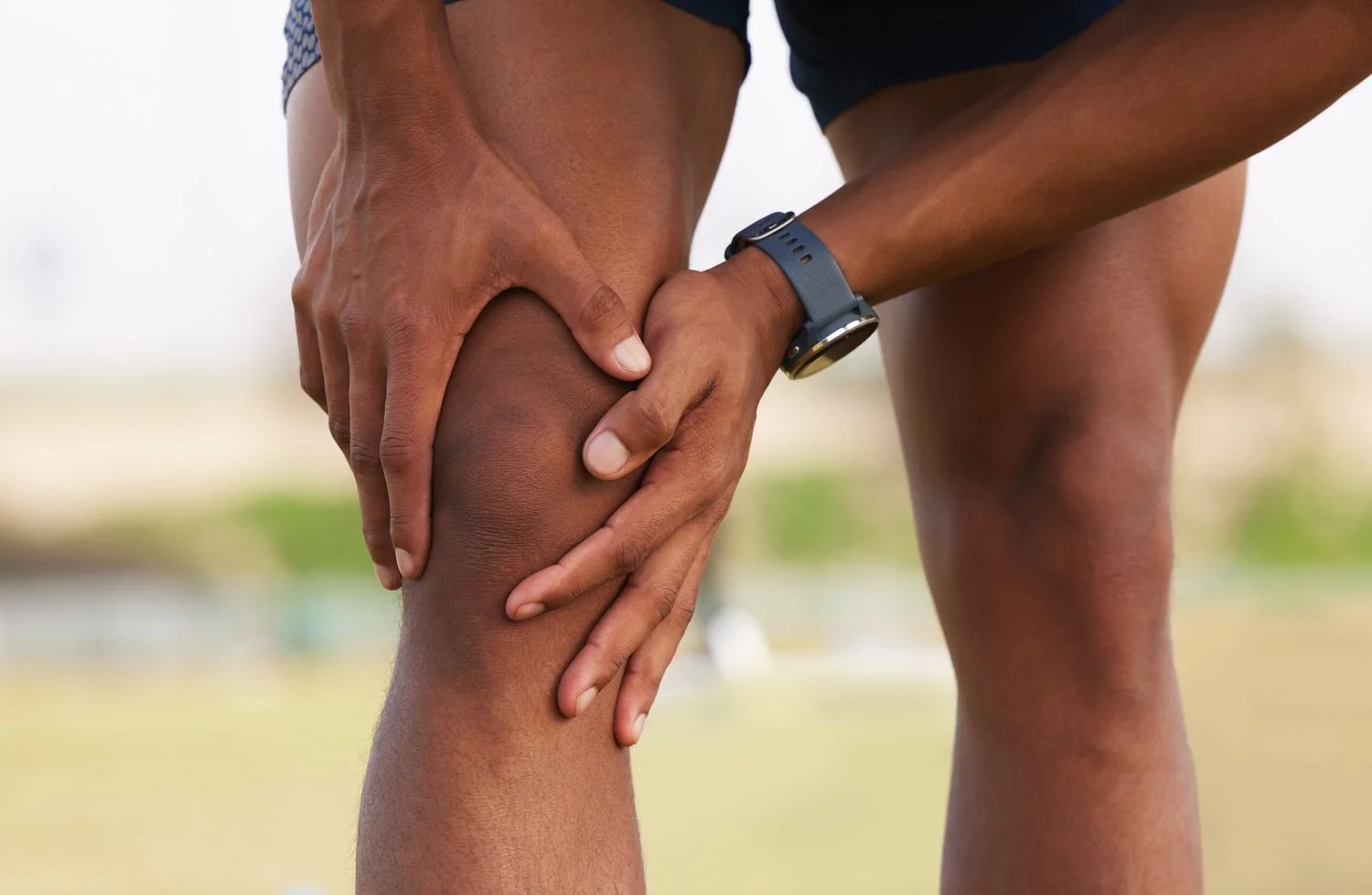
HIP & KNEE PAIN
-
Hip osteoarthritis occurs when the smooth cartilage that cushions the hip joint wears down over time. Without enough cartilage, the bones rub against each other, leading to pain, stiffness, and reduced movement. It’s sometimes called “wear-and-tear arthritis.”
Risk factors:
Age > 50
Previous hip injury (fracture, dislocation, labral tear)
Repetitive stress from work or sports
Being overweight (extra joint stress)
Family history of arthritis
Common symptoms:
Aching or sharp pain in the hip, groin, thigh or buttock
Stiffness, especially in the morning or after sitting
Pain with walking, stairs or prolonged standing
Grinding, clicking, or “locking” sensations
Limited motion (trouble crossing legs or putting on shoes)
Hip OA can make walking, bending and dressing difficult, cause sleep disturbance and reduce quality of life if pain limits activity.
Treatment options:
-
The hip labrum is a ring of cartilage that provides stability and cushioning to the hip joint. A tear can develop from injury, repetitive motion or abnormal hip anatomy (like impingement).
Common causes include sports with twisting or pivoting, trauma or degenerative wear.
Common symptoms:
Groin or hip pain that worsens with movement
Clicking, locking or catching in the hip
Stiffness or limited range of motion
Pain with sitting, squatting or twisting
A hip labral tear can cause persistent pain and restricted movement, limiting exercise and daily activities.
Treatment options:
-
Hip tendon tears involve partial or complete damage to the tendons attaching muscles to hip bones — often the gluteus medius or minimus.
Common causes:
Repetitive stress
Falls or overuse (running, walking)
Age-related tendon wear
Common symptoms:
Pain on the outside of the hip or buttock
Weakness when standing or climbing stairs
Pain when lying on the affected side
Limping or poor balance
Hip tendon tears can make walking, sleeping and prolonged activity painful, and may mimic bursitis.
Treatment options:
-
Hip bursitis occurs when a bursa (fluid-filled cushion) near the hip becomes inflamed or irritated.
The most common type affects the outer hip (trochanteric bursitis).Common causes repetitive motion (running, climbing, cycling), pressure on one side, injury or falls, muscle imbalance, arthritis or spine/leg-length issues.
Common symptoms:
Pain on the outside of the hip or thigh
Aching down the leg
Pain worse with walking, stairs or lying on one side
Tenderness when pressing on the hip
Hip bursitis can limit walking, exercise and sleep, and make daily activities painful.
Treatment options:
-
Knee osteoarthritis is when the protective cartilage in the knee wears away, causing bone-on-bone friction.
Risk factors:
Age > 50
Previous knee injuries
Repetitive stress (sports, kneeling, heavy work)
Being overweight
Family history of arthritis
Common symptoms:
Aching or throbbing knee pain (worse after activity)
Morning or post-rest stiffness
Swelling around the knee
Grinding, popping or crackling
Difficulty bending or bearing weight
Impact: Knee OA can limit walking, stairs, work and hobbies; disrupt sleep and reduce quality of life.
Treatment options:
-
Perioperative knee pain refers to pain before, during and after knee surgery.
While normal during healing, sometimes the pain becomes more intense or lasts longer than expected.Potential effects:
Difficulty walking or climbing stairs
Trouble sleeping
Delayed recovery (if pain limits therapy)
Emotional stress or worry about healing
Cryoneurolysis before surgery may:
Reduce postoperative pain
Lower opioid use
Improve rehab range of motion
Reduce long-term pain risk
Best candidates include those with:
Upcoming major knee surgery (e.g., knee replacement, ACL reconstruction, patellar or tendon procedures)
Desire to minimize opioid use
Need for fast recovery (active individuals)
History of severe post-op pain or chronic pain conditions
Treatment options:
-
The anterior (ACL) and posterior (PCL) cruciate ligaments are strong stabilizers inside the knee.
Tears happen when they’re overstretched or ruptured, usually during sports or accidents.Common causes include pivoting, awkward landings, sudden stops or direct impact.
Common symptoms:
A popping sound or feeling at the moment of injury
Immediate pain and swelling
Instability or “giving way” of the knee
Difficulty bearing weight
These injuries cause pain, swelling and knee instability that can limit walking, running and sports, and may lead to arthritis if untreated.
Treatment options:
-
The meniscus is a C-shaped pad of cartilage that cushions and stabilizes the knee joint. A tear can occur from twisting, pivoting, squatting or degeneration over time.
Common causes:
Sports injuries (pivoting, sudden turns)
Deep squatting or heavy lifting
Age-related wear and tear
Common symptoms:
Pain along the inner or outer side of the knee
Clicking, locking or catching when moving
Swelling or stiffness
Difficulty fully straightening the knee
A meniscus tear can cause persistent pain, limited motion, and instability, making it hard to walk, squat, or climb stairs. If untreated, it may accelerate arthritis or lead to chronic knee dysfunction.
Treatment options:
-
Knee bursitis happens when one of the bursae (small cushions) around the knee becomes inflamed.
They normally reduce friction between bones, tendons and skin — but injury or overuse can cause swelling and pain.Common causes:
Frequent kneeling (“housemaid’s knee”)
Repetitive motion or overuse
Direct trauma or infection
Arthritis or gout
Common symptoms:
Swelling or tenderness around the knee
Warmth or redness
Pain worse with kneeling, stairs or bending
Stiffness or limited motion
Knee bursitis can make kneeling, walking or working painful, cause visible swelling, and limit activity.
Treatment options: