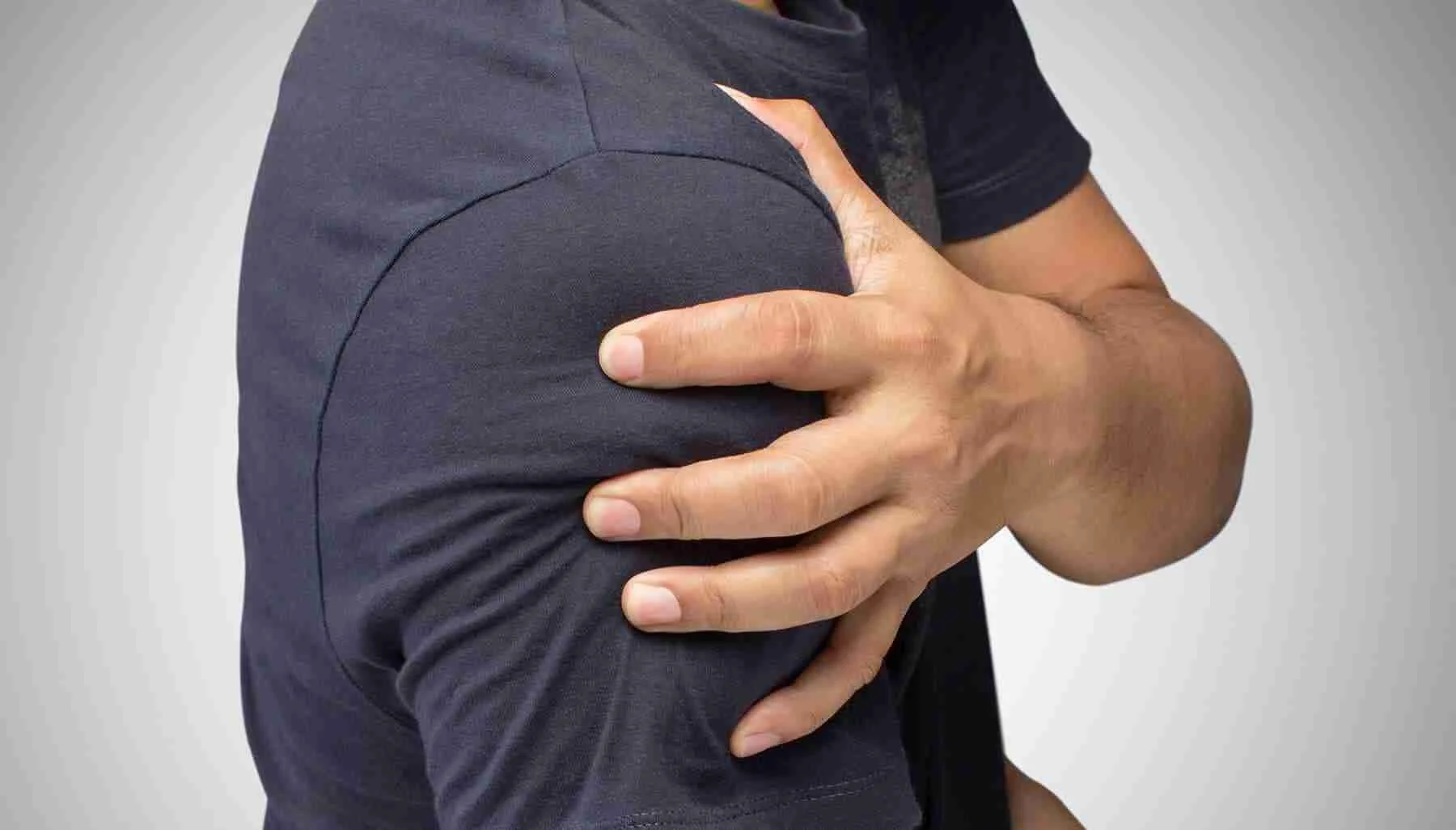
SHOULDER PAIN
-
Perioperative shoulder pain refers to shoulder pain that occurs around the time of surgery — typically most severe within the first 24–48 hours and worse with movement or deep breathing.
When performed before shoulder surgery, cryoneurolysis may:
Reduce pain after surgery
Lower opioid requirements
Improve range of motion during rehab
Decrease risk of long-term shoulder pain
You may consider discussing this option with your surgeon if you have:
Planned shoulder surgery known to cause significant pain (e.g. shoulder replacement, rotator cuff repair, labrum repair)
Concerns about opioids or prefer to limit medication use
Need for faster recovery and early mobility (athletes, active individuals or those returning to work quickly)
History of severe pain or slow recovery after surgery
Chronic pain or arthritis that increases pain sensitivity
Treatment options:
-
Shoulder osteoarthritis occurs when the cartilage cushioning the joint wears down, leading to pain, stiffness and limited mobility. Causes include aging, prior injury, rheumatoid arthritis or rotator cuff damage.
Common symptoms:
Aching or deep shoulder pain
Pain worsening with activity or at night
Stiffness and reduced range of motion
Grinding, clicking or catching
Weakness or difficulty lifting overhead
Shoulder OA can disrupt daily activities — making reaching, dressing, lifting or sleeping difficult and limiting exercise or physical work.
Treatment options:
-
Frozen shoulder happens when the tissue capsule around the shoulder joint thickens and tightens, causing pain, stiffness and loss of motion.
It’s most common in women aged 40–60, and risk increases with diabetes, thyroid disease or recent shoulder injury/surgery.
Symptoms include:
Dull, aching shoulder pain (often worse at night)
Stiffness and difficulty raising the arm
Trouble with daily tasks like dressing or reaching
Stages:
Freezing stage – Pain worsens and motion decreases
Frozen stage – Pain may ease, but stiffness peaks
Thawing stage – Gradual return of motion
This process may take months to years, but most people recover over time.
Treatment options:
-
The rotator cuff is a group of muscles and tendons that stabilize and move the shoulder. Overuse, injury or aging can cause inflammation or fraying of these tendons — known as rotator cuff tendinopathy.
Common causes include repetitive overhead activity (painting, throwing, lifting), poor posture or degenerative wear.
Symptoms include:
Dull ache or burning pain in the shoulder
Pain with lifting or reaching overhead
Weakness or stiffness
Night pain, especially when lying on the affected side
This condition can make dressing, lifting and sleeping comfortably difficult.
Treatment options:
-
The labrum is a ring of cartilage that stabilizes the shoulder socket. A labral tear occurs when it’s damaged by injury, overuse or instability.
Common causes include repetitive overhead motion (throwing, swimming), falls or shoulder dislocation.
Symptoms include:
Deep shoulder pain or catching sensation
Clicking or popping with movement
Weakness or instability, especially overhead
Pain during sports or lifting
A labral tear can cause persistent pain, limit shoulder strength and increase risk of future dislocation.
Treatment options:
-
Shoulder impingement happens when tendons or soft tissue are pinched between bones during movement — often causing pain when lifting the arm overhead.
Symptoms:
Pain reaching overhead, behind the back or across the body
Aching in the shoulder or upper arm
Night pain, especially when lying on the shoulder
Weakness or difficulty lifting objects
It often results from repetitive overhead activity, tendonitis, bone spurs or muscle imbalance.
Impingement can cause:
Difficulty dressing, reaching or carrying objects
Sleep disruption
Reduced ability to perform sports or overhead work
Treatment options:
-
Shoulder bursitis occurs when the bursa — a fluid-filled sac cushioning the joint — becomes inflamed or irritated. It’s often due to repetitive overhead activity, injury, impingement or arthritis.
Symptoms:
Pain or tenderness on the outside or top of the shoulder
Pain lifting the arm or reaching behind the back
Aching at rest or at night
Stiffness or weakness
Shoulder bursitis can make daily tasks painful, cause sleep disturbance and limit physical activity or overhead work.
Treatment options: