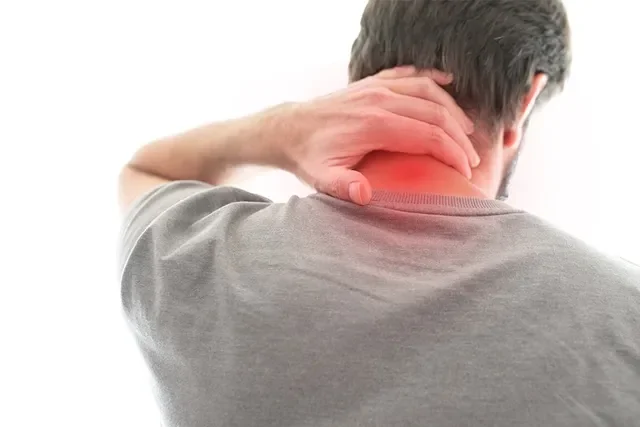
NECK & BACK PAIN
-
The facet joints are small joints along the back of your spine that allow smooth movement and flexibility. When these joints become irritated or arthritic, they can cause a condition known as facet syndrome. It may develop from normal wear and tear, poor posture, prior injury, or spine arthritis.
Common symptoms:
Aching, stiffness, or sharp pain in the neck, mid-back, or lower back
Pain that worsens with movement, such as bending backward or twisting
Discomfort radiating into nearby areas like the shoulders, buttocks, or thighs (but usually not past the knee or elbow)
Stiffness or difficulty standing up straight after sitting for long periods
Facet pain is often localized and achy rather than shooting or electric-like — a key sign that the joints, not the nerves, are the pain source.
Treatment options:
-
Spinal stenosis occurs when the spaces within the spine narrow, often due to arthritis, bone spurs, or thickened ligaments. This narrowing can compress nearby spinal nerves, leading to radiculopathy — pain, numbness, or weakness that radiates along the nerve’s path.
Common symptoms:
Sharp, burning, or electric-like pain traveling from the neck or back into the arms or legs
Numbness, tingling, or “pins and needles” sensations
Muscle weakness in the affected limb
Pain that worsens with standing or walking, and often improves with sitting or bending forward
Depending on the spinal level:
Cervical (neck): Pain may radiate into the shoulder, arm, or hand
Thoracic (mid-back): Pain may wrap around the chest or ribs
Lumbar (low back): Pain may travel into the buttock, thigh, or leg — often called sciatica
These conditions can limit mobility, cause fatigue, and affect quality of life. Early diagnosis and treatment help reduce nerve irritation and prevent long-term damage.
Treatment options:
-
Degenerative Disc Disease occurs when the spinal discs — the soft cushions between vertebrae — wear down over time. These discs act as shock absorbers and allow smooth spinal movement. As they lose hydration and height with age or injury, they can cause inflammation or pressure on nearby nerves.
Despite the name, DDD is not truly a disease, but rather a natural aging process that becomes painful when it irritates nerves or joints.
Common symptoms:
Dull or aching back or neck pain that may come and go
Pain that worsens with sitting, bending, or twisting
Stiffness or reduced range of motion in the spine
Sharp or burning pain if a nerve becomes pinched
Sometimes numbness, tingling, or weakness in the arms or legs
Depending on the location:
Cervical: Pain may radiate into the shoulder, arm, or hand
Thoracic: Pain may wrap around the chest or upper back
Lumbar: Pain may extend into the buttocks, thighs, or legs
DDD can make it difficult to sit, lift, or stay active, but most patients find relief with minimally invasive treatments that reduce inflammation and restore mobility.
Treatment options:
-
The sacroiliac (SI) joints connect the base of your spine (sacrum) to your pelvis, helping absorb shock and transfer weight between the upper body and legs. SI joint dysfunction occurs when these joints move too much or too little, or become inflamed.
Common symptoms:
Pain in the lower back, buttocks, or hips
Discomfort radiating to the groin or down the leg
Pain that worsens with standing, climbing stairs, or sitting
Stiffness or instability in the pelvis or low back
Treatment options: